
Alexa Padgett
I'm so excited to introduce you to USA Today bestselling author Alexa Padgett! Alexa and I connected recently through a class we took together at the Editorial Arts Academy. I picked up her books soon after, starting with Another Charge, the first in her Wildcatters Hockey series and I quickly read the second. I'm looking forward to working my way through all nine!
What stood out to me about her writing is how much heart she brings to the page, especially in the emotional depth she builds across her series in all character relationships, not just the romantic ones.
As a developmental editor, reading Alexa's answers gave me a look into the craft of building multi-book romance worlds, including why writing a hockey romance series can be so much fun. In this conversation, we chat about writing long running series, using intimate scenes to deepen emotional connection, writing authentic child characters, and writing lessons that's shaped how she approaches new manuscripts.
Let's dive in…
You’ve created several long-running series, from Seattle Sound to Wildcatters Hockey. Has there been one series or fictional world that surprised you by becoming easier or more enjoyable to write than you expected? Why do you think that is?
Yes. Writing the Wildcatters Hockey series was easier, probably because I enjoyed the tone and topic, the warmth and humor in that series so much! The found-family aspect in the Wildcatters really tugs at my heart, and I love dipping back into that world. It’s like coming home (doesn’t hurt that I spent many formative years in Houston, I’m sure).
The Seattle Sound series is grittier, delving into loss, mental health, and other trauma, so some of those books were challenging to write. They tell important stories about growth and grace, but the subject matter was tough.
“The found-family aspect in the Wildcatters really tugs at my heart, and I love dipping back into that world. It’s like coming home.”
You've built an extensive body of work over the course of your career. How has your writing process evolved as you've become a more experienced author?
Probably the biggest change from my early career is that I slow down. I don’t force a word count just to meet a weekly or monthly goal. Yes, words on the page matter, but the right words on the page matter more. Taking the time to consider a scene and understand my characters’ goals for a few days often leads to a better scene and faster revision.
My tastes have changed not just as a reader but as a writer. I read more classics now than I did ten or fifteen years ago. I’m more focused on emotion and tension in the scenes and between characters than I was when I started writing, and I hope that shows.
And, in many ways, I love writing more now than I did when I started. Maybe that’s because my craft has improved, but I think it’s also because I’ve settled into a voice and a series of plots that are authentically me. Basically, I get to do what I love every single day. Life doesn’t get any better.
What tells you that a fictional world still has more stories to offer, rather than that it's time to move on to something new?
Oh, good question! When I first considered writing a novel, I couldn’t fathom writing a second. The task was so insurmountable. Now, though, I build worlds I want to return to, and that has made a huge difference.
Creating a romance series is typically about wanting both more time with the characters and the setting. The Wildcatters are a great example: I liked writing the excitement of a hockey game in their arena, but as I got to know the men on the team and their partners, I genuinely liked them. I wanted them to support each other more, so I built more scenarios around that need. Suddenly, I had nine books.
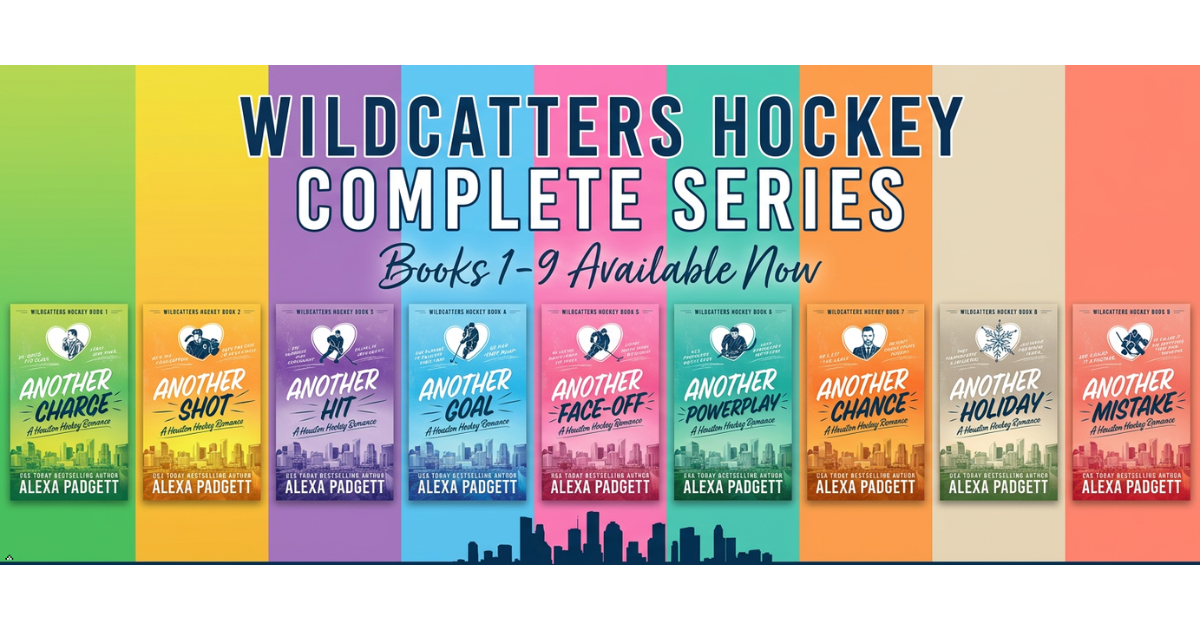
I noticed you've organized your reading guide by trope as well as by series. Do you tend to begin a story knowing the central trope, or does it emerge as the characters develop?
I develop my premise first. Romances tend to be trope-heavy. For the Wildcatters, I got to know most of the team in the first book, so I chose which characters I wanted in the next book based on which premise and trope best fit the hero.
When you're writing an intimate scene, what role does it play in revealing character depth or moving the emotional arc forward?
Intimacy–at least how I write it—isn’t about nudity; it’s about being vulnerable and raw with another person. That gives partners the power to cause hurt, but it also builds trust, beauty, and safety, which is where I prefer to focus.
Sex is a healthy part of a relationship, and I write it in my books—I leave the doors wide open! The point of those scenes is to show how connecting on a physical level strengthens the emotional and mental bonds. And, I believe, the more the characters connect, the more tethered they are to their partner, thus the richer their love is.
I enjoy that depth in my novels because many romances focus on a first blush of love, that sweet high from initial connection, which is delightful. But it’s only a portion of a relationship, many of which can deepen and grow with the years.
One thing that stood out to me in your writing is how naturally the children speak and interact with the adults around them. What's your approach to writing children who feel authentic without falling into stereotypical "kid dialogue"?
I’m a mom of three beautiful kids, and I’ve spent the past years around children and young adults. We’ve often had a full house of six, eight, or more here at once! I listen to them and pay attention to what they’re saying, how they’re saying it…and what they actually mean (as those can be different).
It helps that I love kids in general; I think they’re pretty engaging and fun.
Looking back, what writing lesson has had the biggest impact on the way you approach each new manuscript?
There are two. The first is write what you know. But I don’t mean write about my household. I mean research a topic that interests me so I can write it well. For example: my brother was in a band in high school; I played musical instruments from early elementary school. I knew something about bands and music, but I didn’t know enough about famous bands, so I researched, read, and learned until I was confident I could write the subject matter well. Same with hockey; my dad’s always been a fan, and I’d been to some games growing up (yes, even in Houston!), but I spent time watching videos and reading articles and blogs to make sure the material I produced was accurate and interesting.
The second lesson I paraphrased from Stephen King: you can fix anything but a blank page. So, I write the best version I can, then come back to revise. Sometimes that means many, many passes. I’ve definitely gone ten rounds with certain manuscripts. But my goal is to tell the best version of the story I can, not tell it as fast as I can.
“My goal is to tell the best version of the story I can, not tell it as fast as I can.”
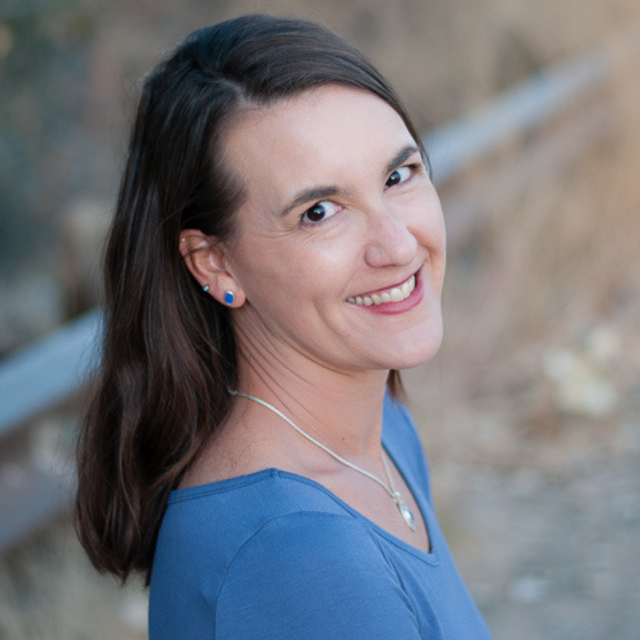
About Alexa Padgett
USA Today bestselling author Alexa Padgett writes romance about wounded men learning they deserve to be loved—and the fierce, warm women who refuse to let them hide.
She's known for hockey heroes with bruised souls, rockstars haunted by their pasts, and resilient heroines who've learned to guard their hearts—stories with slow-burning tension, deep vulnerability, and heat that feels earned.
Her mystery pen name, J.J. Cagney, has earned starred reviews from Kirkus, recognition from Publishers Weekly, and a National Indie Excellence Award.
Alexa lives near Santa Fe, NM, with her husband, children, and her pups, probably drinking too much coffee while falling in love with her next set of characters.
Check out the Wildcatters Hockey series
alexapadgett.com
Bio courtesy of Alexa Padgett
Thank you for reading Behind the Manuscript. I hope these conversations help readers discover the creative decisions behind the books they love and give writers a deeper appreciation for the craft behind unforgettable stories. Until next time. Happy reading.
